

The warm spring air mingles with the laughter of the two small humans in my life. My daughter runs toward me calling my name—arms reaching, palms up, barely able to contain her joy.
Moments like this buoy me, even as the pain of our world casts a shadow across them. Parenting two little ones holds a particular kind of grief—the ache of loving what I cannot fully protect, of wanting our children to inherit a world more whole than the one unfolding. I imagine each of us feels this ache in our own way.
In times like these, what is spiritual practice for?
It’s not an escape or a means of turning away to soothe ourselves. At its best, practice nourishes the strength to stay intimate with reality without being consumed by it. It helps us bear witness and act from conscience without hatred.
One place this becomes most tangible is speech.
Words shape the moral atmosphere we inhabit. They can conceal harm or reveal it, deepen division or restore dignity, numb the heart or call it awake. In a time of disinformation, polarization, and fear, Wise Speech is not just a personal virtue. It’s a civic and spiritual necessity.
The Buddha included Right Speech in the Noble Eightfold Path because speech plays a role in ending suffering and realizing liberation. Wise Speech is not “nice speech.” It’s not passivity, conflict avoidance, or false composure. It asks something deeper of us: to speak truthfully without hatred, to listen without collapsing, to engage with steadiness and compassion, and to challenge the conditions that make violence possible.
As we witness ongoing harm—from the atrocities of war to the obstruction of humanitarian aid to the targeting of immigrant communities—our words can perpetuate violence or help interrupt it. In moments when silence protects brutality, to speak with clarity and care becomes an act of conscience: a way of making space for grief, refusing cruelty, and affirming our dignity and shared humanity.
This is not abstract for me. As an American Jew whose father was Israeli, I have been sitting with what it means to speak, write, and act with integrity in response to the devastation in Gaza, the West Bank, Lebanon and across the region—devastation my government actively funds and that is often justified in the name of Jewish safety, including my own.
I’ve written about this publicly, though discerning when to speak and what to say has been an ongoing investigation—and at times, a struggle. I can hold that with tenderness and still be firmly committed to not letting discomfort become silence. This too is part of Wise Speech: not waiting until we have the “right” words or feel complete, but learning to speak in service of life.
This summer, I’d love to explore all of this with you.
I’ll be offering my annual six-week online course through the Barre Center for Buddhist Studies: Wise Speech: An Introduction to Mindful Communication. The course begins Tuesday, June 16, and is offered freely in the spirit of dāna.
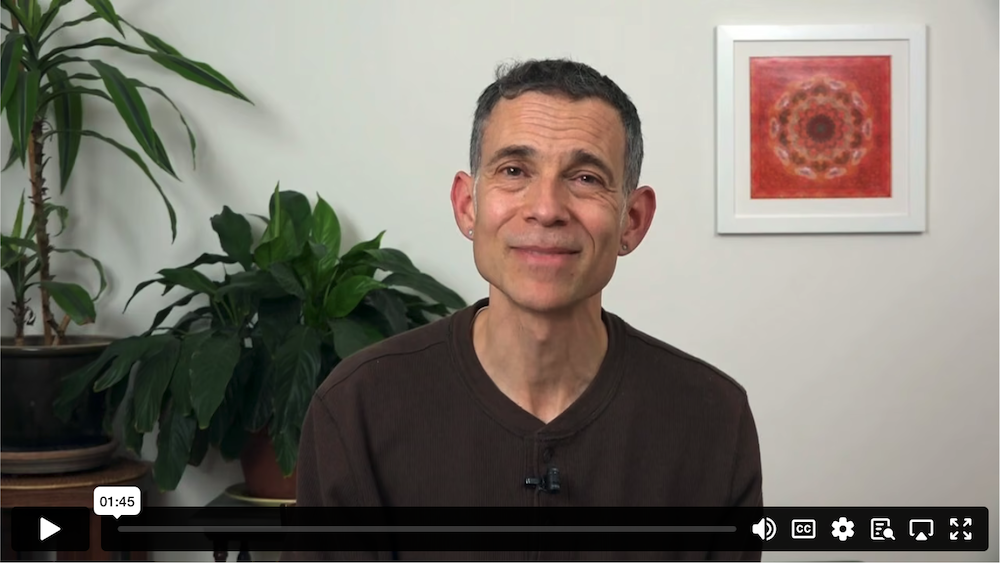
In the course, we’ll practice bringing these teachings into daily life: pausing before responding, listening beneath the surface of conflict, and finding words rooted in honesty and care—even when what needs to be said is difficult.
The course is open to all and offers concrete tools for anyone who wants to bring more awareness and compassion to how they speak and listen: parents, partners, professionals, caregivers, and anyone in a role of service. It includes guided meditations, interactive exercises, and weekly practices.
Speech can’t mend all that is broken. But it plays a vital role in how we engage, repair, and reimagine together. It’s one of the ways we stay human, widen our hearts, and keep choosing care over cruelty.
When I look at my children, I know I cannot fully protect them from the world they are inheriting. But I can practice the kind of presence, courage, and care I want them to know is possible. I can keep learning how to use my words in service of the world I hope they will inherit.
Program Details
- Dates: Tuesdays, June 16, 23, 30, and July 7, 14, 21
- Time: 12:15–2:00 PM ET
- Location: Online via Zoom
- Recordings: Available within 48 hours and accessible indefinitely
- Cost: Offered freely in the spirit of dāna
[Course registration is now closed. See other upcoming classes and events here.]
Like what you've read?
Subscribe to my monthly newsletter and get seven guided meditations plus an eBook.